The Tonto Crape Myrtle is a deciduous shrub or small tree prized for its profusion of large, deep red flowers that bloom in summer. The flowers are borne in panicles at the tips of branches and are known for their intense color and long-lasting display. The foliage of the Tonto Crape Myrtle is dark green in color and turns shades of orange, red, and yellow in the fall before dropping. In addition to its flowers, the Tonto Crape Myrtle is also valued for its attractive exfoliating bark, which peels away to reveal smooth, cinnamon-colored bark underneath.
Tonto Crape Myrtles are relatively low-maintenance once established but benefit from regular care to ensure healthy growth and abundant flowering. Prune Crape Myrtles as needed to remove dead, diseased, or overgrown branches and to maintain the desired shape and size. Light pruning can be done throughout the growing season, while more extensive pruning is typically done in late winter or early spring before new growth emerges. Mulching around the base of the plant helps retain soil moisture, suppress weeds, and protect the shallow roots.






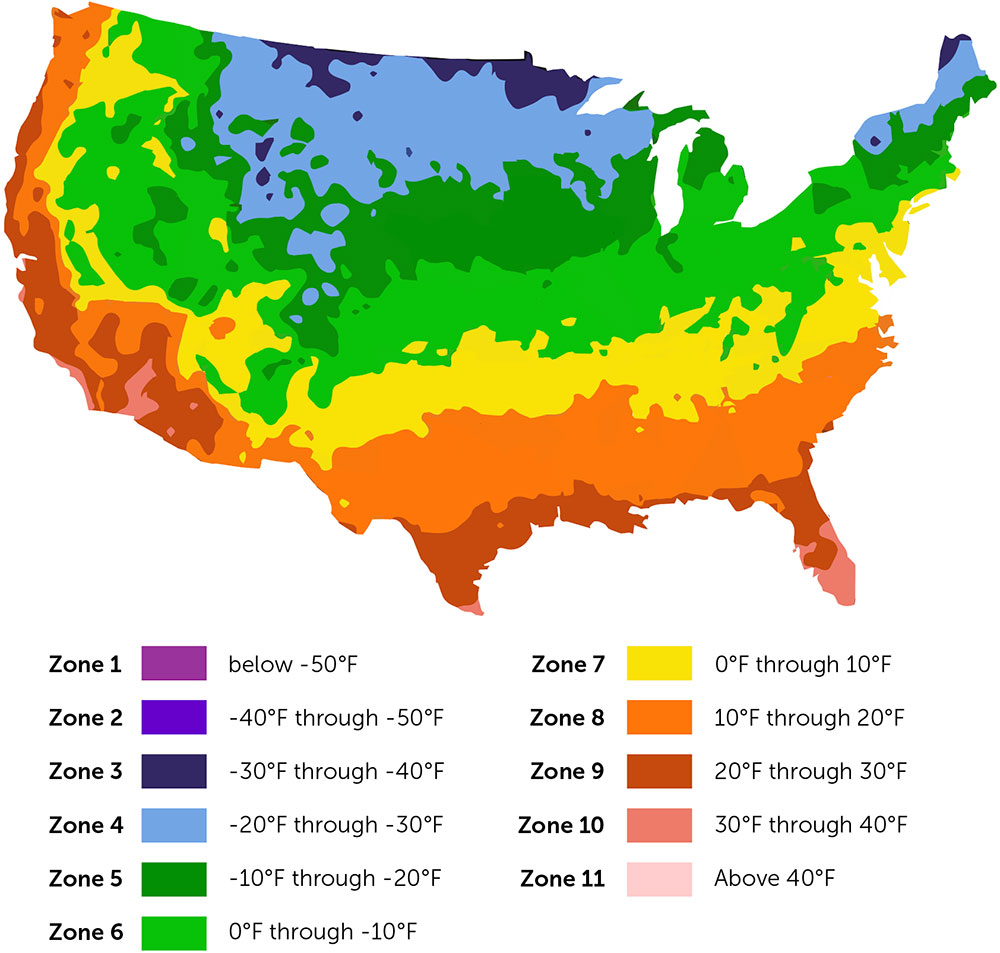
Zone: 7-9
Mature Height: 15 ft. tall
Mature Spread: 12 ft. wide
Landscape Characteristics
Classification by Use
Foliage Color
Flowers